The Wanek School of Natural Sciences provides students with access to innovative laboratories, advanced instrumentation, and collaborative spaces designed to support discovery at every stage of their education. From specialized research facilities and state-of-the-art scientific equipment to unique environments like the machine shop and makerspace, students gain hands-on experience through coursework, faculty-mentored research, and interdisciplinary collaboration. These spaces reflect our belief that science is best learned by doing, empowering students to explore, create, and contribute to meaningful scientific discoveries.
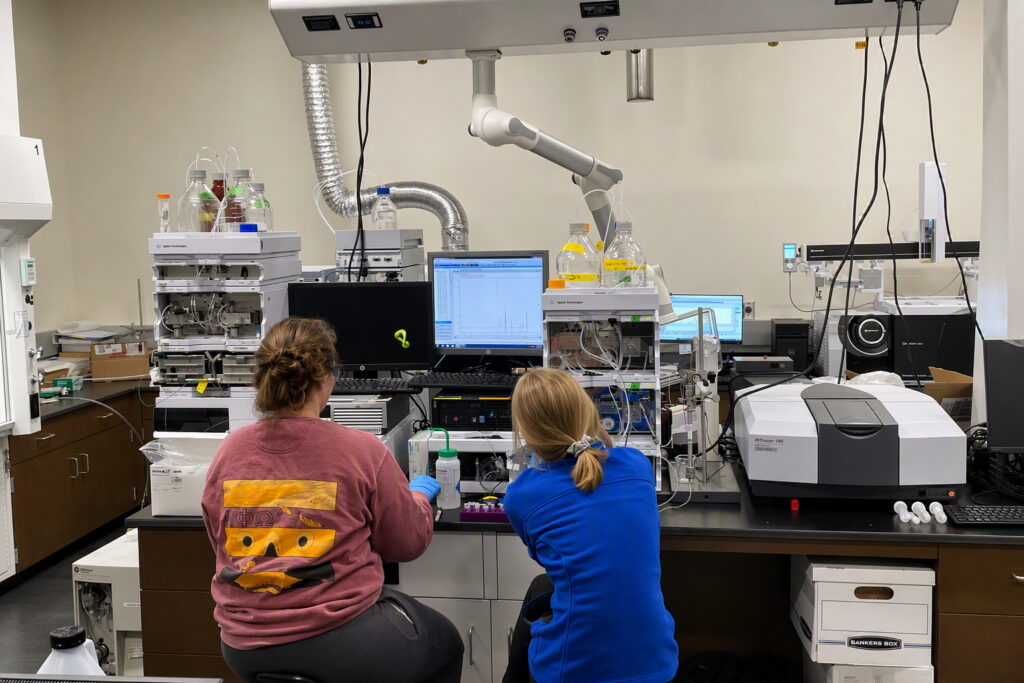
Analytical Chemistry Laboratory
The Department of Chemistry has a strategic partnership with Shimadzu Scientific Instruments through the Shimadzu Partnership for Academics, Research, and Quality of Life (SPARQ) Program; this provides the Analytical Chemistry Laboratory with state-of-the-art analytical instrumentation. Students gain hands-on experience with sophisticated instrumentation used to identify, quantify, and characterize chemical compounds. Through coursework and faculty-mentored research, students learn how to use instrumentation such as a differential scanning calorimeter, high performance liquid chromatograph, mass spectrometers, thermal gravimetric analyzer, UV-Vis spectrometers, X-ray spectrometer, and more.
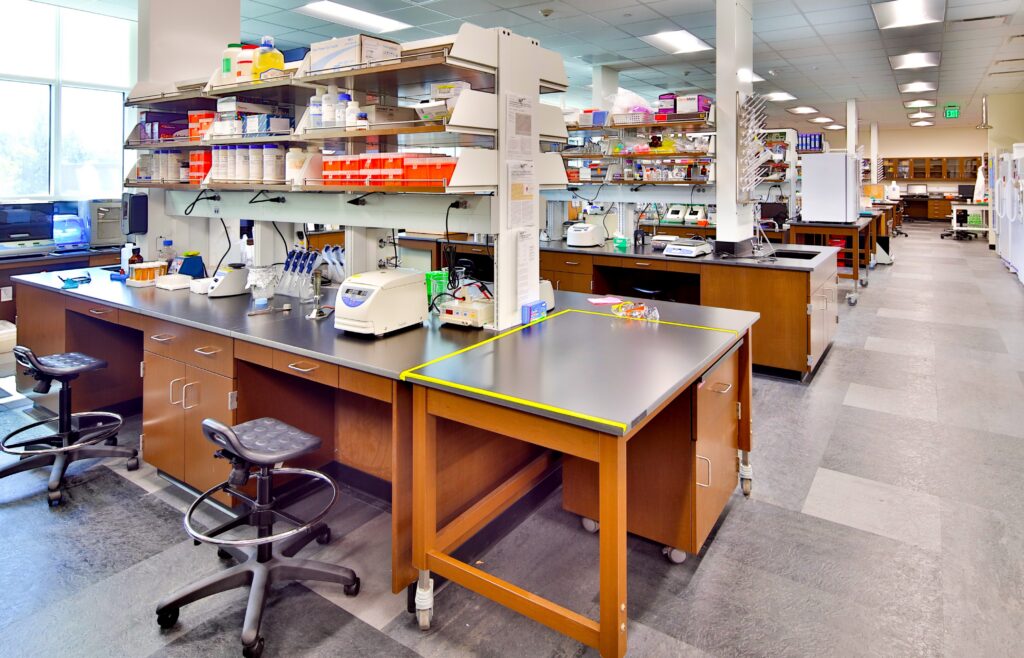
Biochemistry, Cellular & Molecular Biology Research Laboratory
One of the largest research lab spaces on campus, the Molecular Biology and Biochemistry Research Laboratory provides students with hands-on access to advanced instrumentation and techniques used in modern scientific research. Working closely with faculty mentors, students carry out experiments, analyze data, and contribute to meaningful discoveries. Featured instrumentation includes PCR thermal cyclers, UV-Vis spectrophotometers, gel electrophoresis equipment, and fluorescent microscopes.
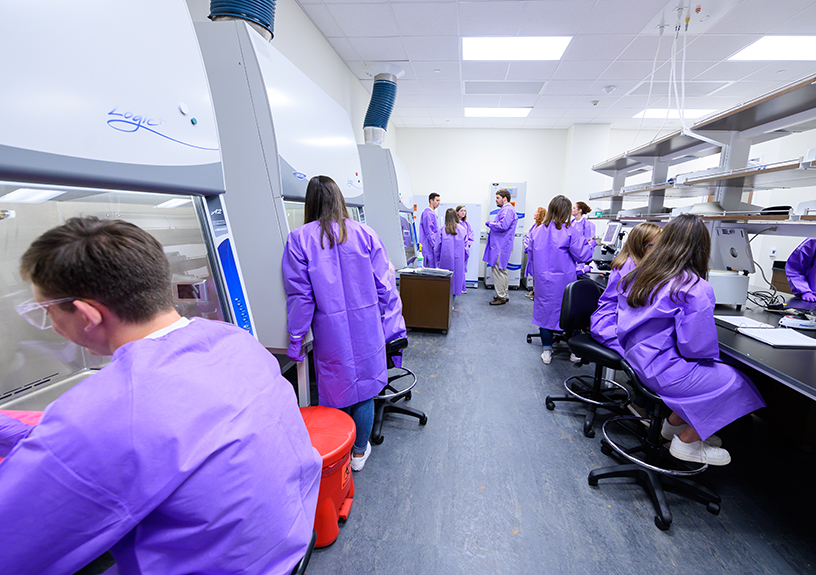
Cell Culture Facility
The Cell Culture Facility provides a sterile, controlled environment where students work with living cells using techniques central to modern biomedical research. It supports both teaching and faculty-mentored research, allowing students to apply cell culture techniques in coursework and contribute to ongoing scientific investigations. Featured instrumentation includes CO2 incubators, Class II Type A2 biological safety cabinets, inverted microscopes, and a cryogenic freezer.
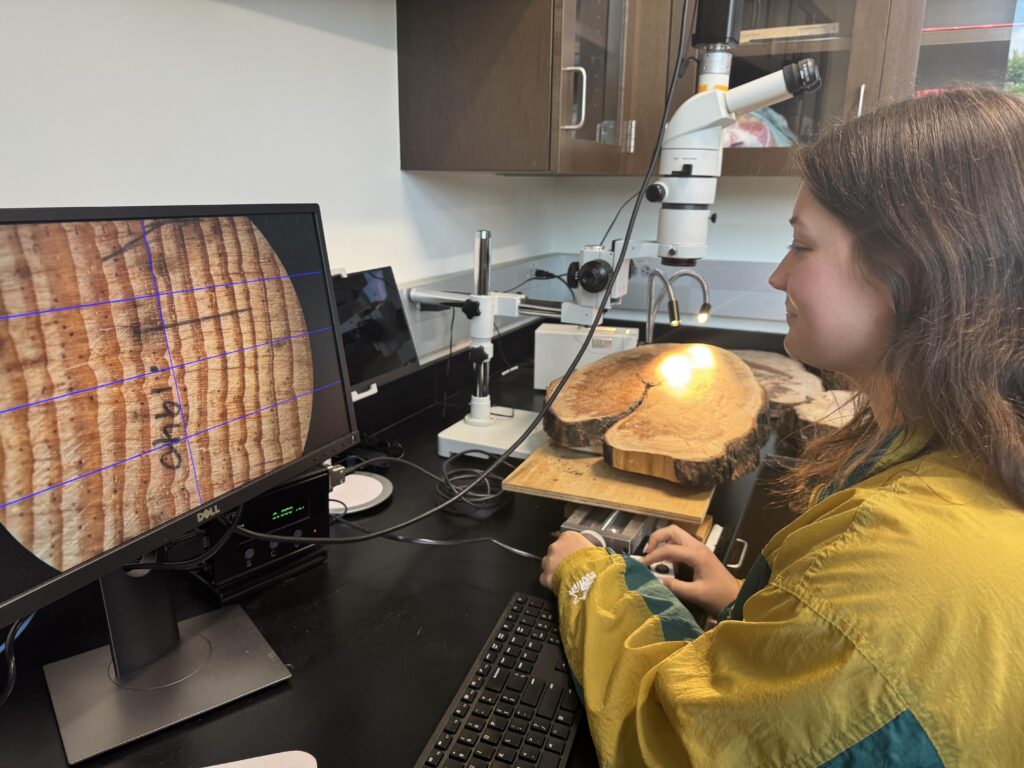
Ecology and Evolution Research Laboratory
This research laboratory provides students with opportunities to investigate how organisms interact with each other and their environments and how they change over time. Through fieldwork, laboratory studies, and faculty-mentored research, students develop skills in observation, data collection, analysis, and scientific communication while exploring questions that span from local ecosystems to the history of life on Earth. Featured instrumentation includes a critical point dryer for scanning electron microscopy sample preparation, GIS workstation, and 3D modeling workstation.
Insectary
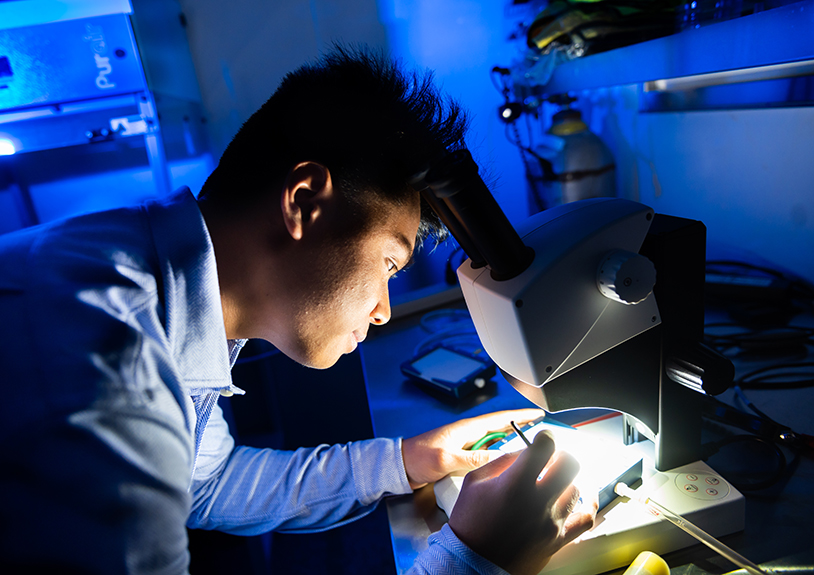
The Insectary supports hands-on learning and research by providing a controlled environment for studying live insect species, their behavior, and transgenic strains such as Drosophila melanogaster. Molecular mechanisms that influence traits related to aging, obesity, diabetes, and development can be investigated using some insect species as model systems. Instrumentation includes circadian incubators that can control temperature, light, and humidity conditions on programmed cycles.
Materials and Microscopy Research Laboratory
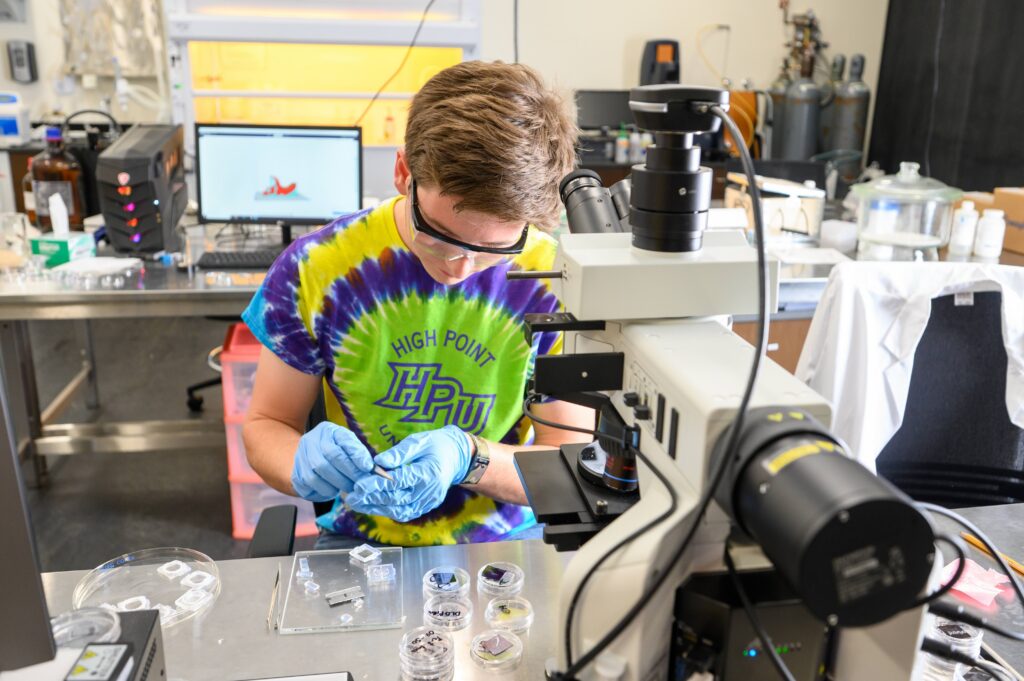
The Materials and Microscopy Research Laboratory provides students with access to advanced imaging and analytical tools used to investigate materials and structures at the microscopic level. Through coursework and faculty-mentored research, students examine everything from biological specimens to engineered materials, developing valuable skills in imaging, data analysis, and scientific inquiry. The lab includes a rheometer (TA Instruments DHR3) two inverted fluorescent Olympus microscopes, plasma cleaner, sputter coater, scanning electron microscope (Nanoscience Instruments Phenom XL), and atomic force microscope (MFP-3D Origin +). A cleanroom is tucked into an attached side room with a direct write maskless photolithography tool (Heidelberg MLA 150) and photolithography equipment.
Nuclear Magnetic Resonance Laboratory
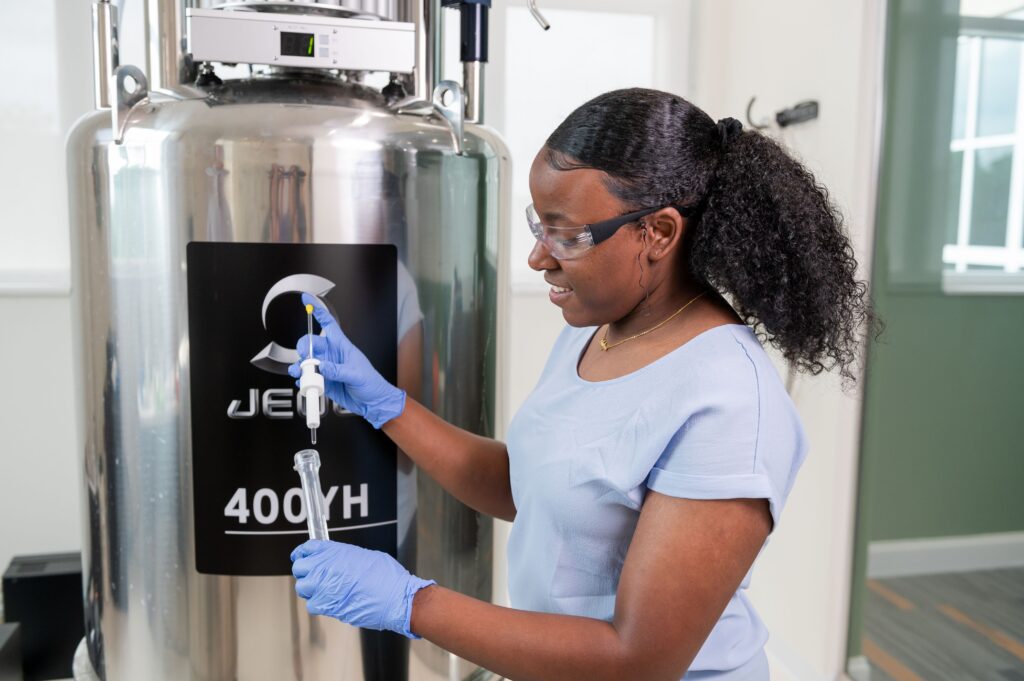
The Nuclear Magnetic Resonance (NMR) Laboratory provides students with hands-on access to one of the most powerful tools chemists use to determine the structure and composition of molecules. Through coursework and faculty-mentored research, students use the NMR to investigate unknown compounds, confirm the products of chemical reactions, and contribute to cutting-edge research across chemistry, biochemistry, and materials science.
Organic Synthesis Research Laboratory
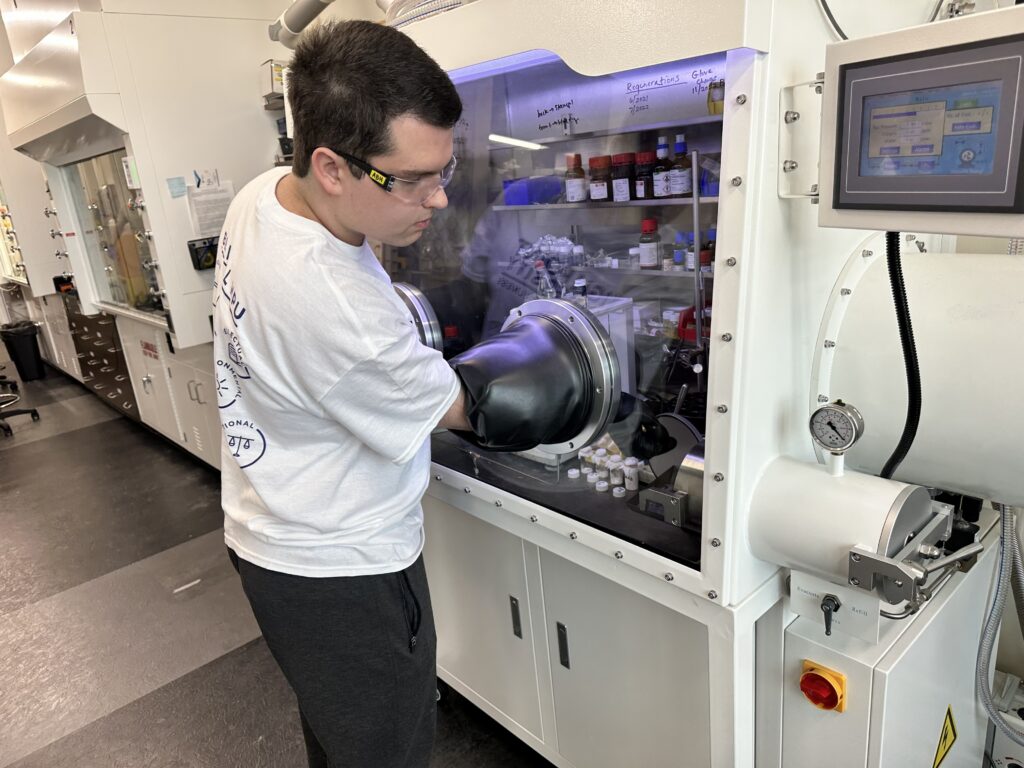
The Organic Synthesis Research Laboratory provides students with hands-on experience designing and creating new molecules through modern synthetic chemistry techniques. Working closely with faculty mentors, students investigate compounds with potential applications in areas such as medicine, materials science, and environmental sustainability while developing advanced laboratory, analytical, and problem-solving skills. In addition to standard analytical equipment, feature instrumentation includes a glove box for working with air-sensitive reactions and materials, automated column runners for purifying complex mixtures, and a microwave synthesizer with auto sampler for accelerating reaction times and rapidly optimizing conditions.
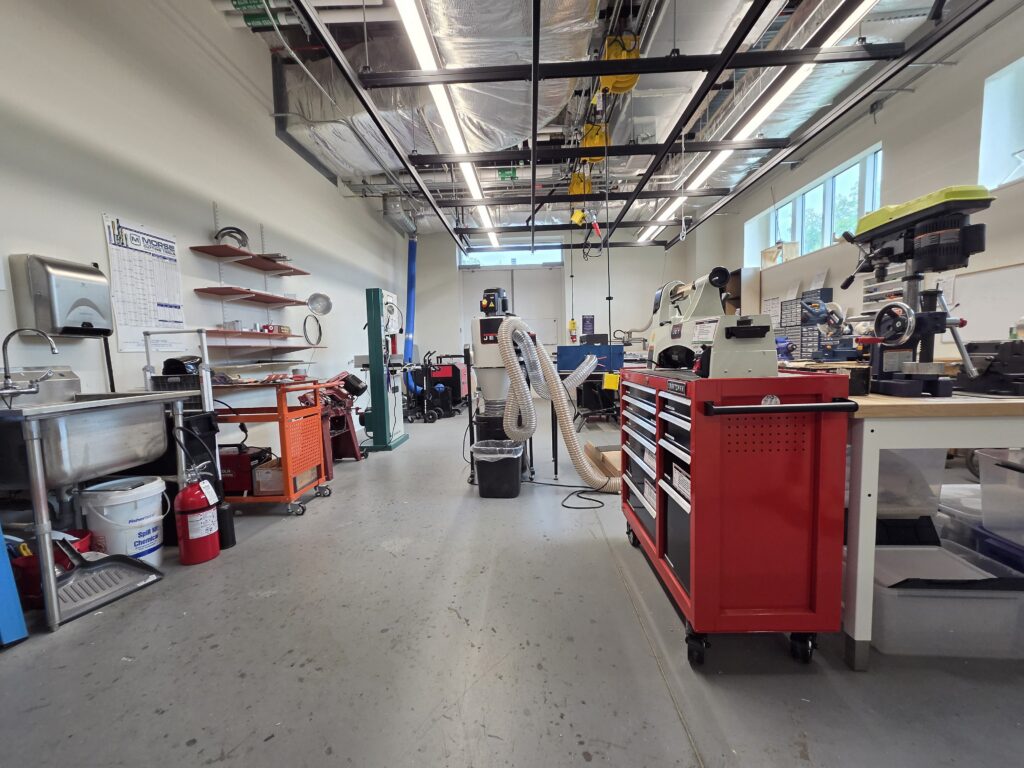
Physics Machine Shop
The Physics Machine Shop provides students across the sciences with hands-on experience designing, fabricating, and refining custom equipment for coursework, research projects, and experimental investigations. Equipped with precision machining tools and expert guidance, the shop empowers students to transform ideas into functional solutions while developing practical skills in engineering, manufacturing, and problem-solving. The shop includes hand tools, wood lathe, CNC router, laser cutter/engraver, table saw, drill presses, belt/disc sander, bench grinder, and more.
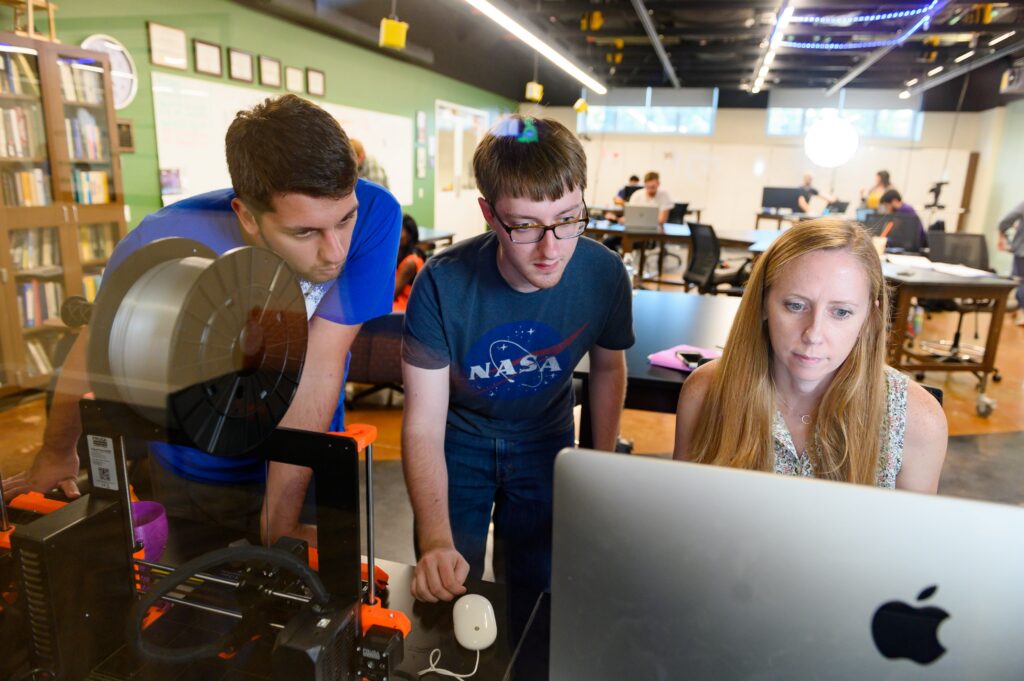
Physics Undergraduate Research Laboratory
The Physics Undergraduate Research Laboratory (PURL) empowers students to design, build, and test physical systems using tools such as 3D printers, laser cutters, and precision instrumentation. Part lab, part makerspace, and attached to the Electronics Laboratory and Physics Machine Shop, the PURL provides a space for students to be innovative and creative as they apply theory to real-world problems. Featured instrumentation includes filament and resin 3D printers, laser engraver, sewing machine, and Cricut.
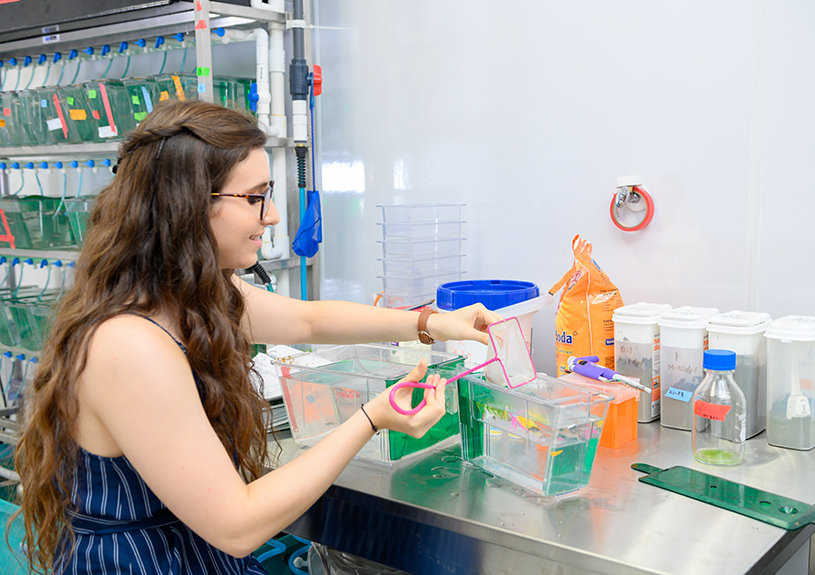
Zebrafish Laboratory
The Zebrafish Laboratory provides students with hands-on experiences in developmental biology, reproduction, and environmental health using zebrafish as a model organism. Through faculty mentored research and inquiry-based courses in the Biology Department and Honors Scholar Program, students design experiments, analyze data, and contribute to ongoing studies of development, reproductive fitness, and environmental stressors. Equipped with two independently maintained aquatic systems and advanced Leica and Echo imaging technologies, the laboratory offers access to the tools and techniques used in modern biomedical research.
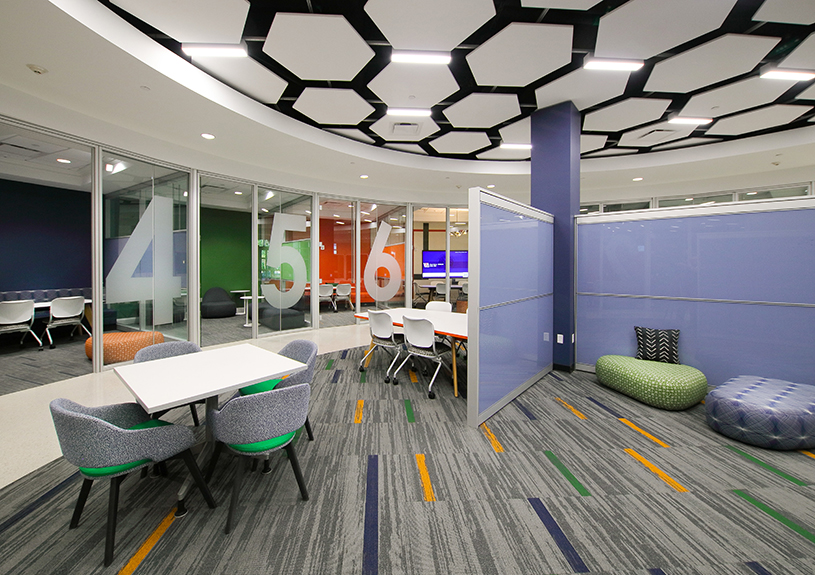
Collaboration Spaces, including “The Hive”
Collaborative study spaces throughout the Wanek School of Natural Sciences are designed to bring students together for group learning, discussion, and shared discovery. Areas like “The Hive” serve as central hubs of activity, where students gather to study, connect with peers and faculty, and build a strong sense of scientific community.